When your child can't stop eating
You are not a bad parent. Many disabled kids — autism, ADHD, Prader-Willi syndrome, Down syndrome, sensory differences, and kids on certain medications — feel hungry all the time or miss the body's "I'm full" signal. Here are real next steps you can start this week.
Talk to your child's doctor first if there is sudden weight change, hoarding/hiding food, eating non-food items, or any worry about a syndrome like Prader-Willi. This guide is parent support — not medical advice.
Why this happens
- • Body cues are quiet. Many disabled kids don't feel "full" the way other kids do.
- • Food = sensory input. Crunchy, salty, sweet, or chewy food can calm a busy nervous system.
- • Food = comfort. Eating can soothe big feelings the same way a fidget does.
- • Medications. Some ADHD, mood, and seizure meds increase appetite. Some cause it to crash.
- • Routine matters. If meals are unpredictable, kids ask for food all day just to feel safe.
7 steps to try this week
Set the same meal times every day
Pick 5 times: breakfast, snack, lunch, snack, dinner. Same times each day. Tell your child the schedule out loud and post it on the fridge.
Why: predictability turns down the "is food coming?" alarm in the brain.
Offer water before snacks
When your child asks for food between meals, hand them water first and wait 10 minutes. Often, thirst feels like hunger.
Use a divided plate or portion container
Pre-plate the meal. One section: protein. One: veggie or fruit. One: starch. When the plate is empty, the meal is done.
Teach the hunger and fullness scale
Use a 1-to-5 chart. Ask before, in the middle, and after meals: "Where's your tummy right now?" Most kids can learn this in 2 weeks.
Give the mouth what it actually wants
If your child chews ice, pencils, or eats fast — they may need oral sensory input, not food. Try chewy tubes, crunchy carrots, or a chewable necklace.
Lock or curtain the pantry at night
This is not punishment. Many disabled kids cannot stop themselves once food is in sight. Making food invisible removes the constant temptation.
Write it down for 7 days
Track what, when, how much, and the feeling before eating. Bring this log to the doctor — patterns show up fast.
I Do · We Do · You Do
A simple way to coach your child instead of fighting about food.
I Do
You model it. "I'm going to drink water and check my tummy. My tummy is at a 3 — a little hungry."
We Do
Do it together. "Let's both point to a number on the chart. Mine is a 3. What's yours?"
You Do
They try it solo. "Before you grab a snack, check your tummy and get water first. I trust you to try."
What to ask the doctor
- • Could any of my child's medications be making them hungrier?
- • Should we check for thyroid issues, blood sugar, or Prader-Willi screening?
- • Can we get a referral to a pediatric dietitian who works with disabled kids?
- • Would feeding therapy or an OT with feeding training help?
- • What growth-chart change would worry you?
Tools parents use here

Kids' portion-control divided plate
Removes the guesswork — kids see exactly how much goes on the plate.
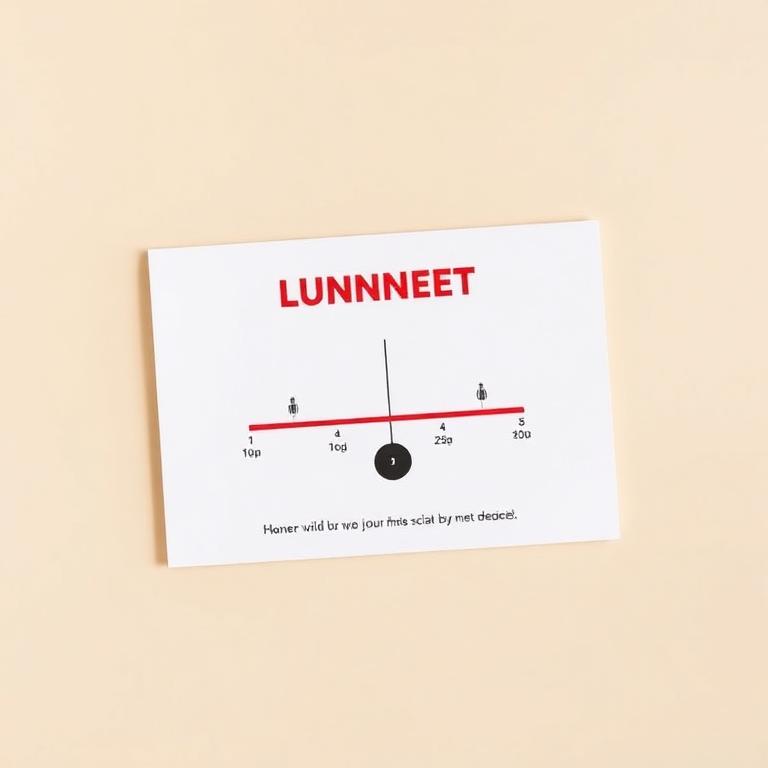
Hunger & fullness visual chart
Teaches body cues many disabled kids miss. Use before, mid, and after meals.
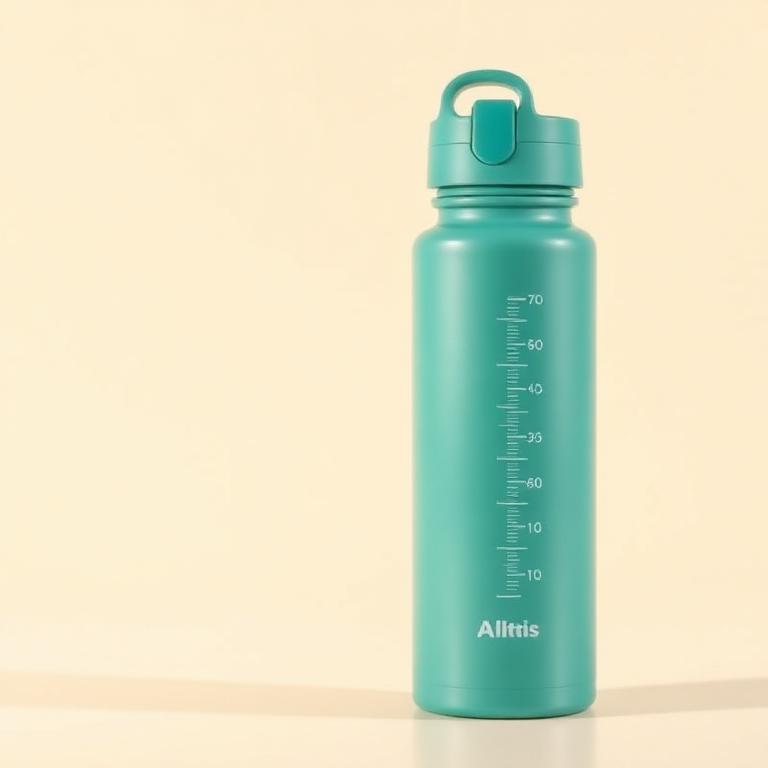
Kids' insulated water bottle with time markers
Offer water 10 minutes before snacks to test if it's real hunger.
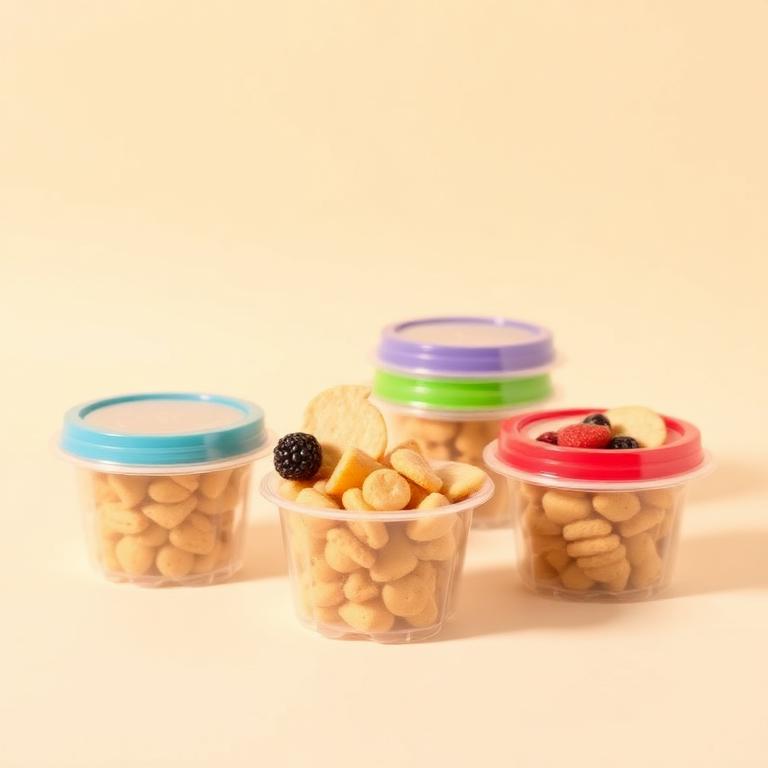
Pre-portioned snack containers
Visual 'when it's empty, snacks are done.' No negotiating in the moment.
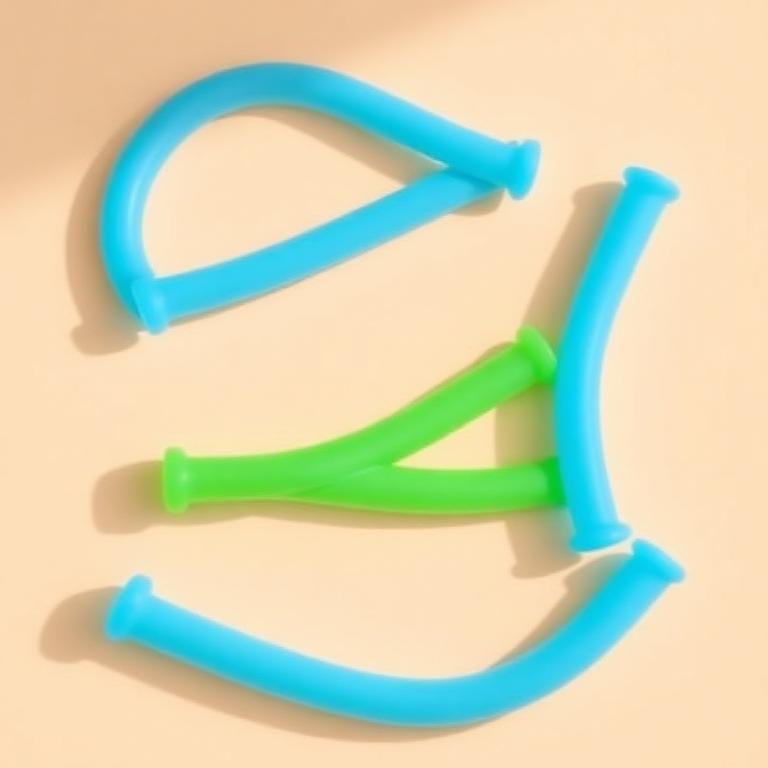
Oral chew tools (chewy tubes / necklace)
If chewing is the goal, give the mouth what it needs — without the calories.
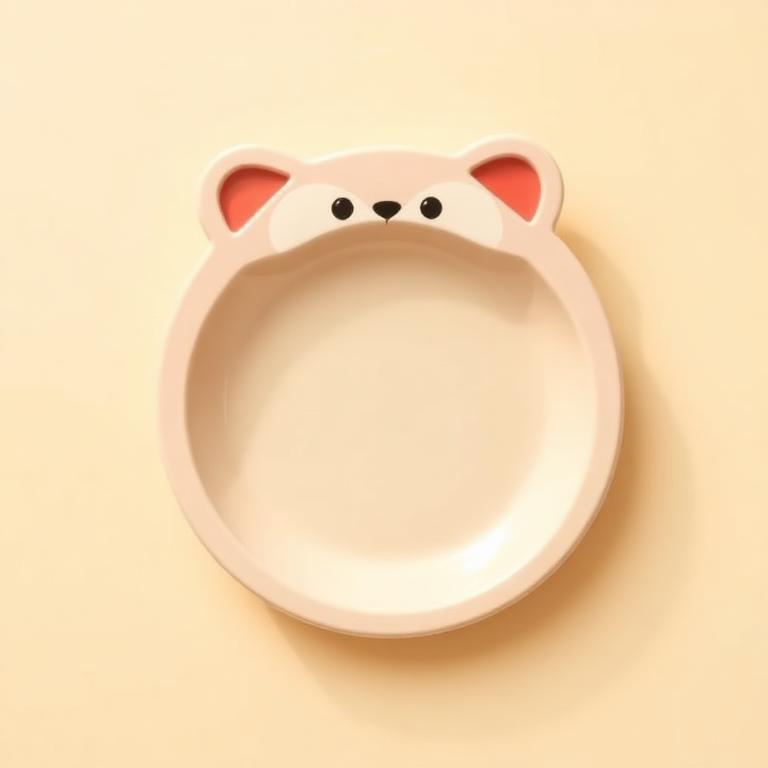
Slow-eating / fun-shape plate
Slowing bites helps the fullness signal catch up with the stomach.
As an Amazon Associate, Bright Steps earns from qualifying purchases — at no extra cost to you. Full affiliate policy.
See all parent-tested tools →Want this turned into a full plan for your child?
The BIP Builder takes what's happening at meals and turns it into a step-by-step plan you can share with school, doctors, and your care team.
Build my child's planBright Steps provides parent support and educational planning tools only and does not replace professional medical, nutritional, or therapy advice.